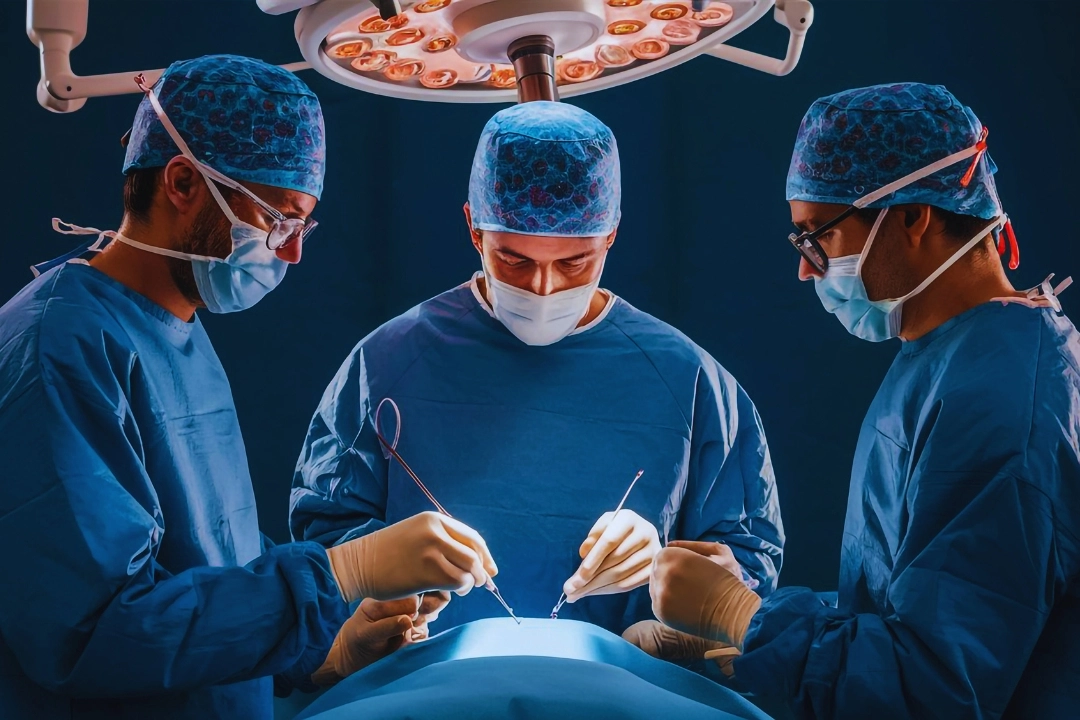
Surgical Oncology
Surgical oncology removes cancerous tumors, supports diagnosis, prevents spread, and improves patient outcomes through precise, targeted surgical procedures.

Surgical oncology removes cancerous tumors, supports diagnosis, prevents spread, and improves patient outcomes through precise, targeted surgical procedures.
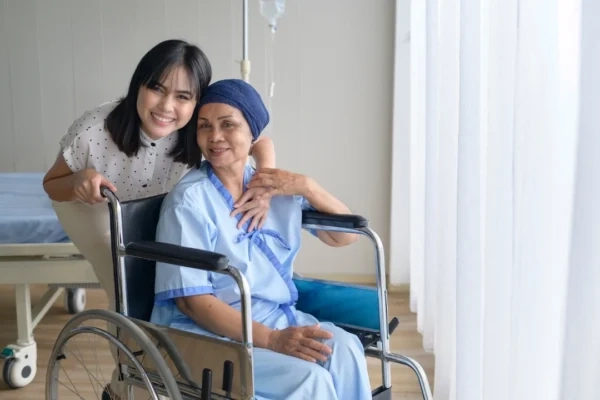
Oncology rehabilitation treatment supports recovery with therapies that improve strength, reduce side effects, restore function, and enhance overall quality of life.
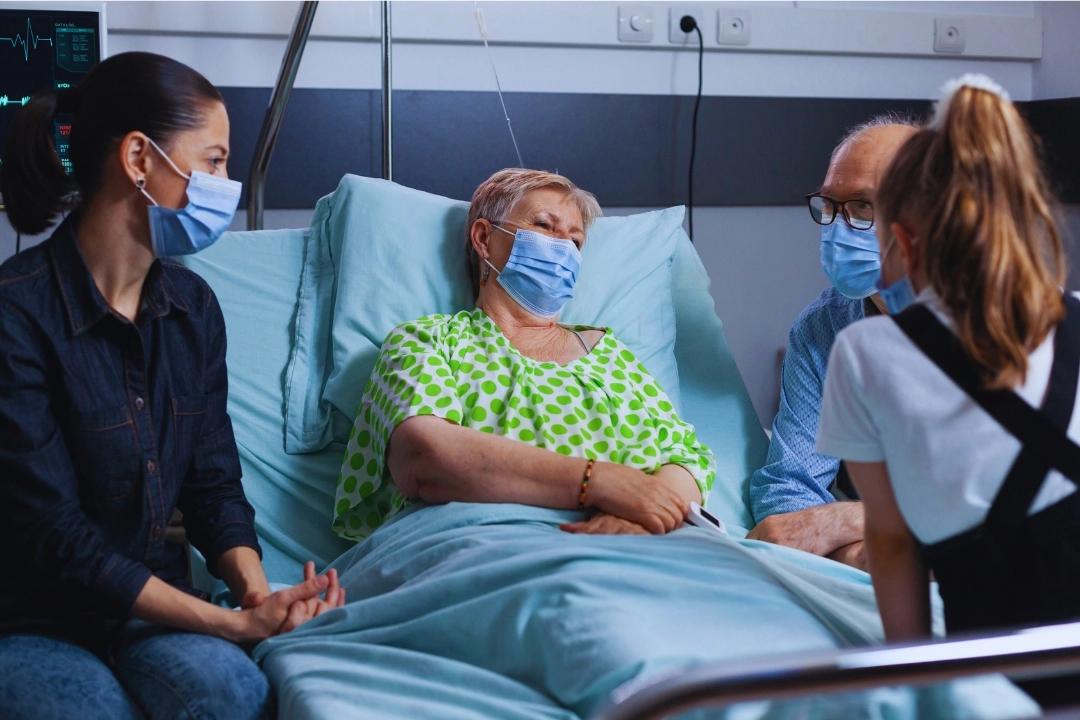
Palliative care in oncology provides symptom relief, emotional support, and improved comfort, helping patients manage treatment challenges and maintain quality of life.
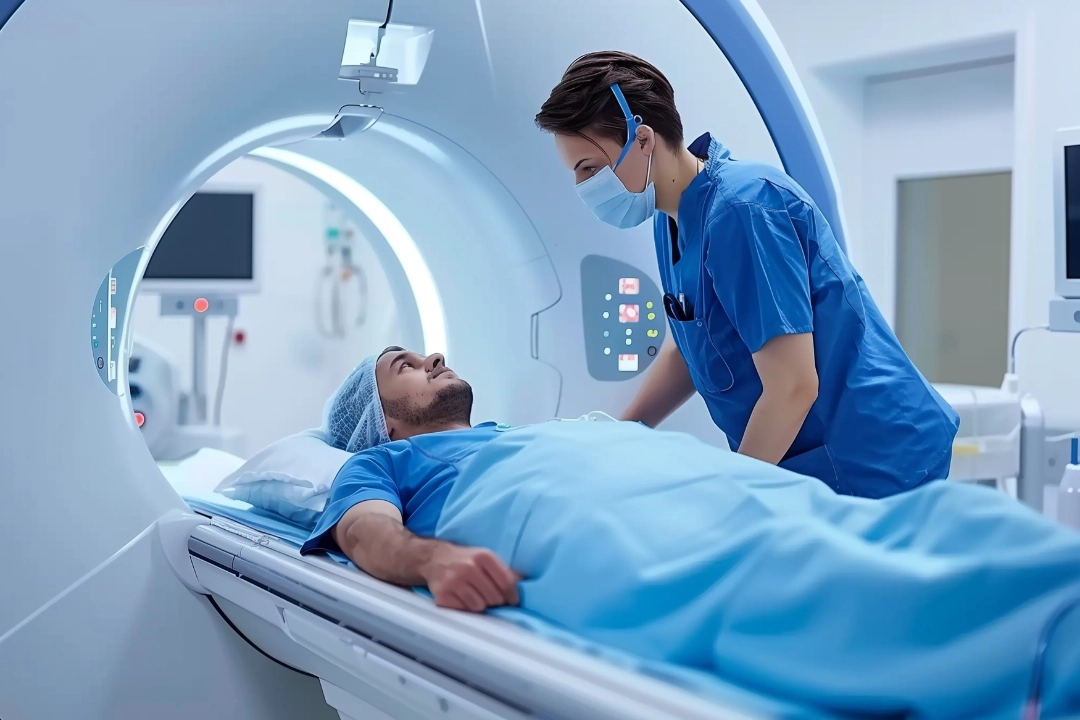
Radiation oncology treatment uses precise radiation to kill cancer cells, shrink tumors, , and improve patient outcomes.
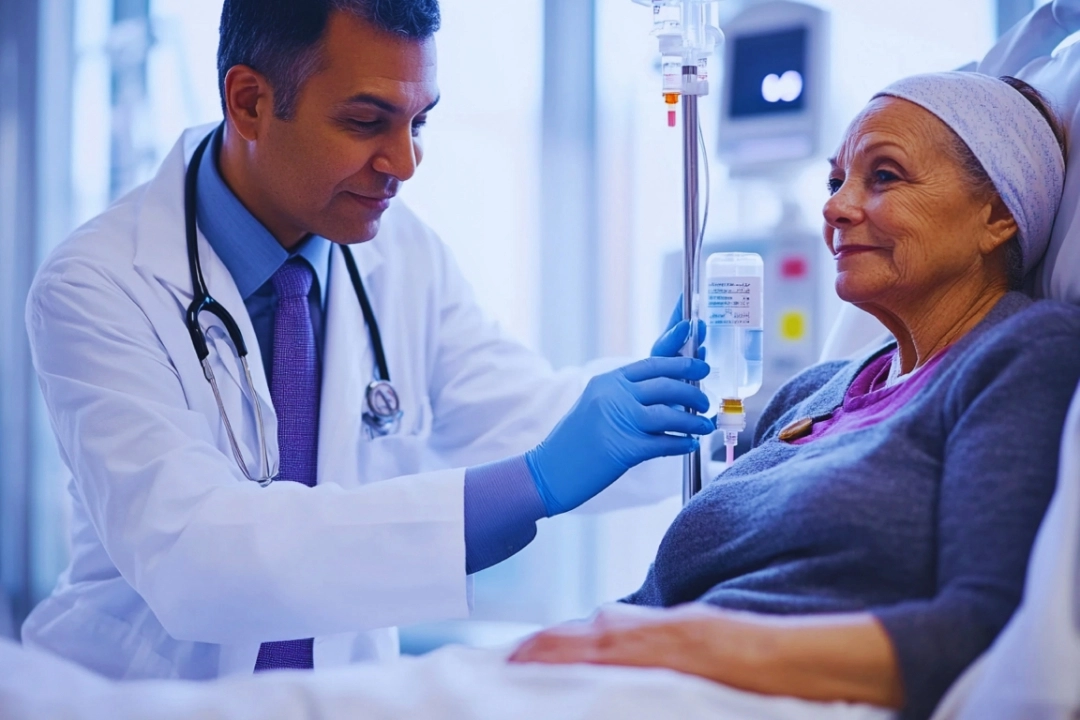
Medical oncology treatment uses chemotherapy, immunotherapy, and targeted drugs to control cancer, ease symptoms, and improve outcomes.
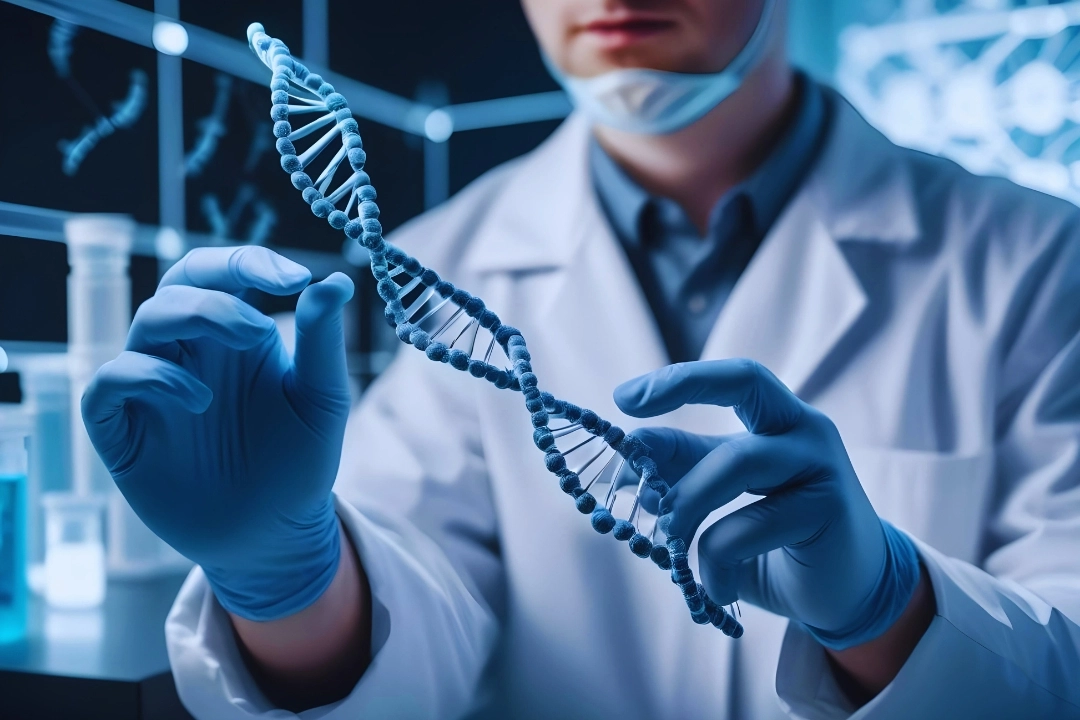
Oncologic genetics identifies inherited cancer risks, guides personalized prevention, supports early detection, and helps tailor treatment plans.
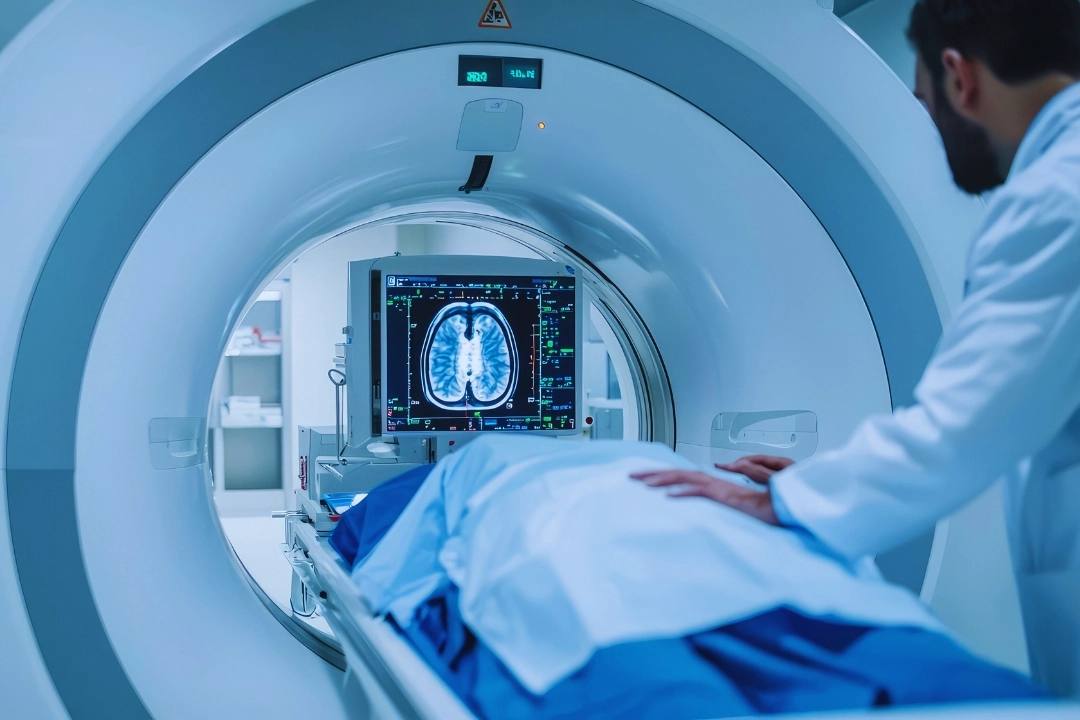
Oncologic radiology uses advanced imaging to detect cancers early, guide treatment planning, monitor progress, and support accurate diagnosis.
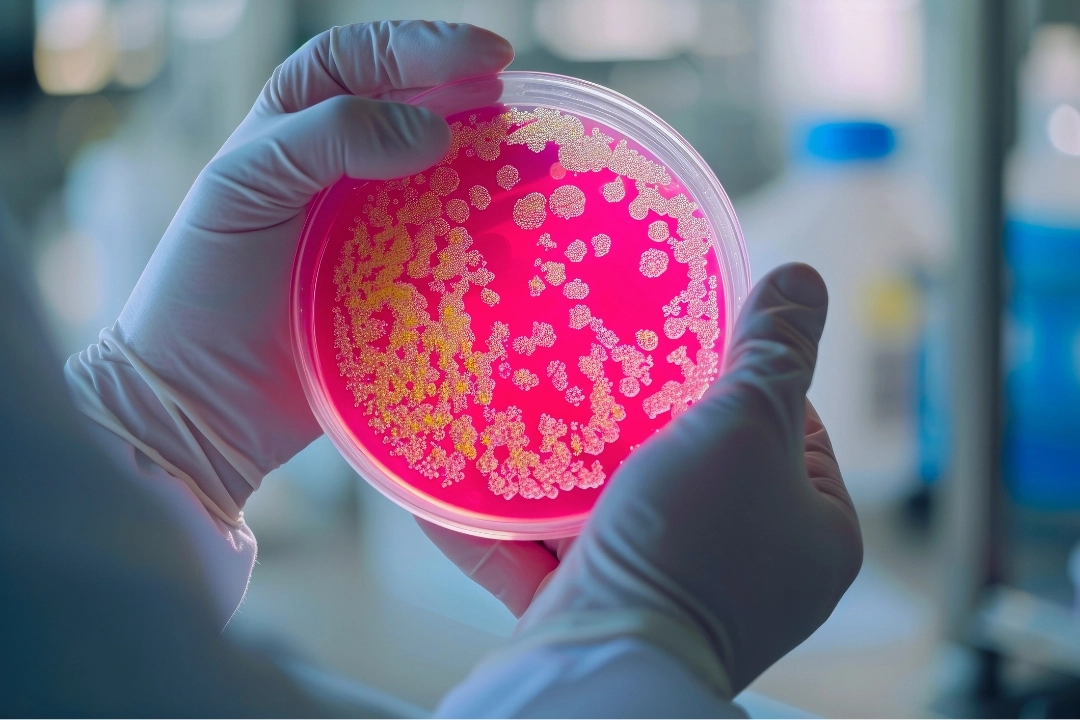
Oncologic pathology examines tissues and cells to confirm cancer, determine type, guide treatment decisions, and support accurate diagnosis.